Keeping the laptop alive
Sockets, chargers, inverters and power stations, with the arithmetic nobody enjoys.
// power 01 · the ceiling
How much power a car actually gives you
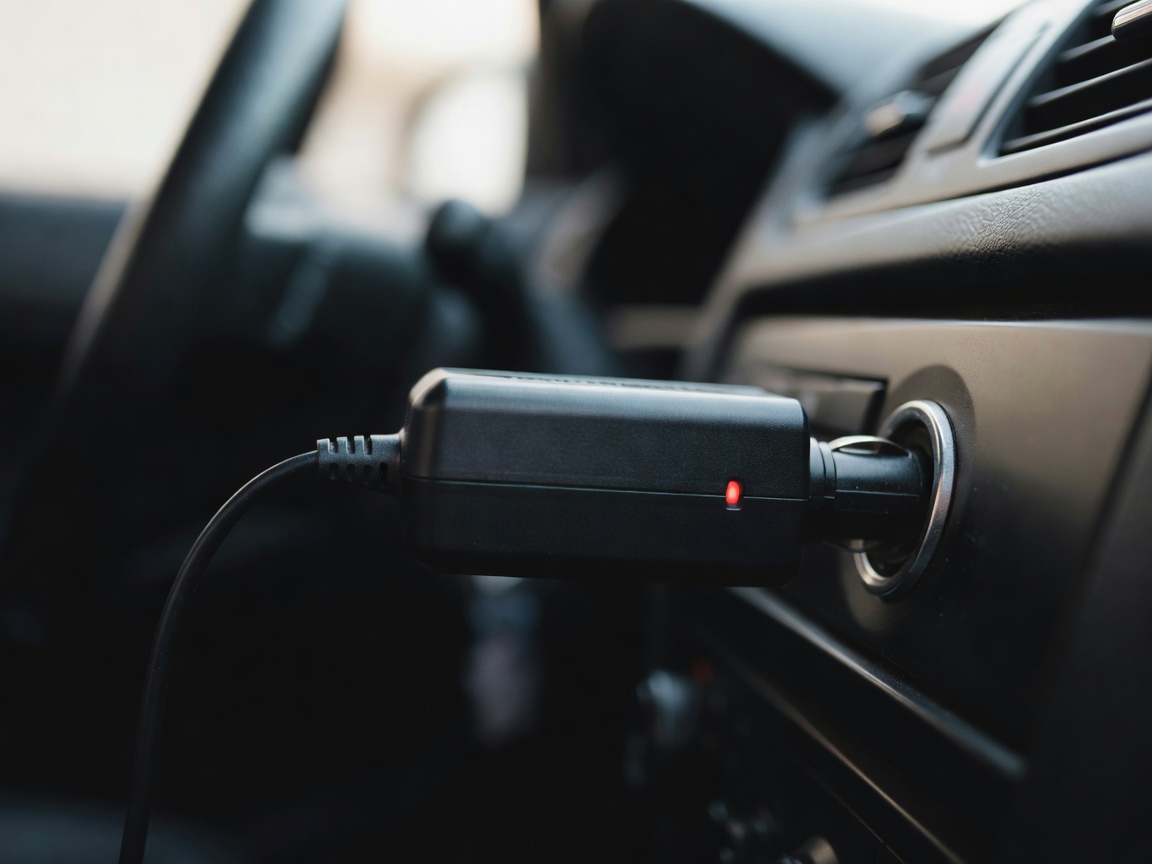
A laptop is a modest appetite. Most draw 30 to 65 W while you type and can spike towards 100 W when charging and compiling at once. A car's 12 V accessory socket is usually fused at 10 to 15 amps, which works out at roughly 120 to 180 W. That is plenty for a laptop. It is not enough for a laptop, a kettle and your ambitions.
The first decision is whether the engine will be running. With it on, the alternator does the work and the battery barely notices. With it off, you are spending the starter battery, and a flat starter battery turns your office into a very expensive chair. Cars with stop-start systems are fussier about deep discharge, and many cut accessory power after the ignition is off anyway.
Idling to stay charged is the lazy answer and, in places, an illegal one. In England, the Road Traffic (Vehicle Emissions) (Fixed Penalty) (England) Regulations 2002 let councils penalise unnecessary idling, and plenty of car parks post their own signs. Plan around that instead of hoping nobody walks past.
// power 02 · spec table
Power options at a glance
| Option | Typical output | Best for | Watch for |
|---|---|---|---|
| USB-C PD car charger | 45 to 100 W | Modern laptops and phones | Needs a PD-rated cable; cheap chargers fall short of their label |
| Socket inverter | 100 to 150 W | Older laptops with a mains brick | Fan noise; socket fuse is the limit |
| Direct-wired inverter | 300 to 1000 W | Vans and long engine-on sessions | Needs proper fusing; fit it professionally |
| Portable power station | 200 to 1000 Wh stored | Engine-off working | Weight, price and slow 12 V recharging |
| Lithium jump pack | Emergency only | Rescuing a flat battery | Not a desk power supply; keep it charged |
// power 03 · engine off
The battery maths
A typical 60 Ah starter battery holds around 720 Wh on paper. Lead-acid starter batteries hate deep discharge, so budget 10 to 20 per cent of that, about 70 to 140 Wh, if you want the car to start afterwards. A laptop drawing 45 W for two hours uses 90 Wh. That works, once, on a good day, with a healthy battery. It is not a plan.
The cleaner answer is a separate battery. Portable power stations from makers such as EcoFlow, Jackery and Anker SOLIX store 250 to 1000 Wh in a box you can carry, and many use lithium iron phosphate cells that tolerate daily cycling. Charge them at home overnight rather than from the car, because 12 V input is usually slow, often around 100 W at best.
Vans and converted vehicles can go further with a DC-DC charger, such as Victron Energy's Orion range, feeding a leisure battery while you drive. That is a wiring job: fused, sized and checked. Treat anything beyond plugging into the socket as work for a qualified auto electrician, and read your vehicle handbook before you add load.

// power 04 · ranked
Power kit, ranked
- 01
USB-C PD car charger, 65 W or more BUY
Follows the USB Power Delivery standard, charges phone and laptop, makes no noise. Pair it with a cable rated for the wattage.
- 02
Portable power station, 300 Wh or more BUY
The only sane answer for engine-off days. Expensive, heavy, worth it if you do this daily.
- 03
Small pure sine wave inverter MAYBE
Useful for fussy chargers and camera gear. Skip modified sine wave units for anything sensitive.
- 04
Lithium jump pack BUY
Not for working. For the day your working finishes the battery. Check the charge every few months.
- 05
Multi-socket cigarette lighter splitters SKIP
They share one fuse and promise more than it can deliver. Heat plus clutter, no benefit.